The Process of History display

The Historical Association has regional twilight meetings for teachers. Inspired by hearing Ian Dawson at the Northern History Forum, Huntington History Department has created this beautiful display and is happy to share it with everyone: Process of History Display Why not go to one of the up and coming HA events? Click here to find out more about CPD that is low cost and high impact. As well … Continue reading The Process of History display

Getting them in and getting them started

I am currently mentoring two Troops to Teachers – one for History, the other for RE. I think these subjects have a lot in common. One thing I know is that both trainees need to be on top of behaviour from the beginning of every lesson. That is helped enormously if they get the pupils into the class room in an orderly fashion and get … Continue reading Getting them in and getting them started

Misconception, misconception, misconception!

It was my TA that did it. Whilst working on a series of revision sessions for a small intervention group that I did not personally teach, and juggling a number of absences, I got into the habit of sending her what I had planned a day in advance. She would look things over and generally agree that what I had planned would be suitable, and … Continue reading Misconception, misconception, misconception!

Think like a historian!

This week we’re sharing a lovely resource, with thanks to Hugh Richards and the Huntington School York History Department. They are sharing with us the resources they give their students to explain thinking historically. This is the product of engrossing and lengthy discussions over several months, within and beyond their department. They enable clear classsroom conversations about what it means to think like a historian. … Continue reading Think like a historian!

Quite literally making links!

Our students need to gain and retain a lot of knowledge if they are going to make progress in History. They need to be able to deploy that knowledge in an organised way. We have probably all taught students who have lots of factual knowledge, but who really struggle to organise that knowledge to use it to think historically. Being able to make links and … Continue reading Quite literally making links!

Signposting change in Edward the Confessor’s Life

Here’s a good idea for helping your students by adapting a great idea for change and continuity to really engage with the course of a key character’s life. Teaching the Normans at GCSE has given me more time to spend on the rather interesting character of Edward the Confessor. I wanted students to know something of his life story but I didn’t want to get … Continue reading Signposting change in Edward the Confessor’s Life

Knowledge to use sources as evidence

Recently we’ve been trying to shake up how we use sources in our History lessons. We decided that our Key Stage 3 students might be getting the impression that sources are just something History teachers use to get them curious about an enquiry question. There’s nothing at all wrong with using a fascinating picture, artefact or intriguing text to get students’ engaged. However, historians don’t … Continue reading Knowledge to use sources as evidence

Retaining knowledge: I don’t do dates!

‘I don’t do dates’ is a frequent excuse used by my GCSE students and it shows in their written answers, which often lack specific subject knowledge. For the last two years’ our department has experimented with frequent, low stakes, testing of chronological knowledge. As suggested by Michael Fordham in his blogs on: Assessment Beyond Levels A list of key dates and facts can be set as … Continue reading Retaining knowledge: I don’t do dates!

Interpretations: Tell the artist why they are wrong!

As Helen wrote in her previous blog interpretations are a tricksy concept for students to understand, but due to the more rigorous demands of GCSE and A-Level one that we cannot ignore as we might have done in the past. At both GCSE and A-Level, the exams want our students to unpick interpretations using their contextual knowledge of the period. In essence they want students to … Continue reading Interpretations: Tell the artist why they are wrong!

Interpretations: ‘And then she waved a tea towel at us!’

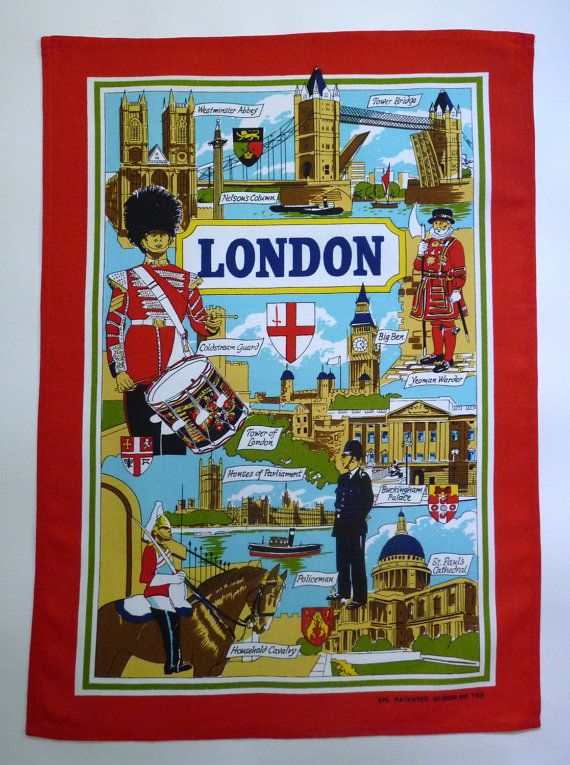
The conceptual thinking required to understand historical interpretations is challenging for many of students. It is a multi-facetted concept and we take an incremental approach to developing our students’ ability to understand and work with it. A tourist tea towel is an interpretation. We use one to get across the idea that an interpretation is a selection to present a particular perspective that is made … Continue reading Interpretations: ‘And then she waved a tea towel at us!’