






Signposting change in Edward the Confessor’s Life
Here’s a good idea for helping your students by adapting a great idea for change and continuity to really engage with the course of a key character’s life. Teaching the Normans at GCSE has given me more time to spend on the rather interesting character of Edward the Confessor. I wanted students to know something of his life story but I didn’t want to get … Continue reading Signposting change in Edward the Confessor’s Life

Knowledge to use sources as evidence
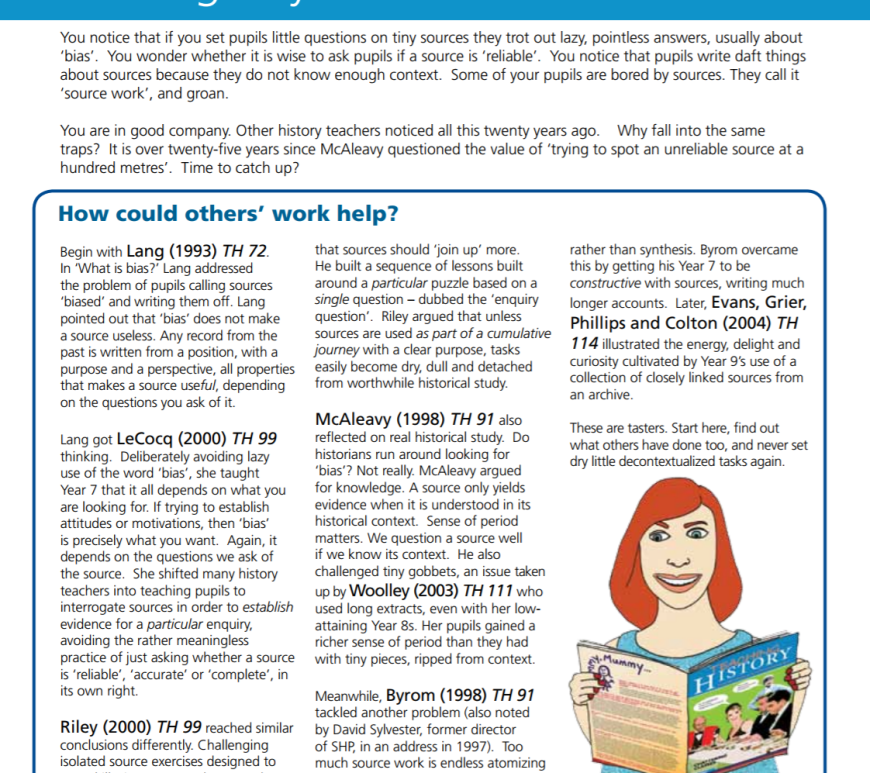
Recently we’ve been trying to shake up how we use sources in our History lessons. We decided that our Key Stage 3 students might be getting the impression that sources are just something History teachers use to get them curious about an enquiry question. There’s nothing at all wrong with using a fascinating picture, artefact or intriguing text to get students’ engaged. However, historians don’t … Continue reading Knowledge to use sources as evidence

Retaining knowledge: I don’t do dates!
‘I don’t do dates’ is a frequent excuse used by my GCSE students and it shows in their written answers, which often lack specific subject knowledge. For the last two years’ our department has experimented with frequent, low stakes, testing of chronological knowledge. As suggested by Michael Fordham in his blogs on: Assessment Beyond Levels A list of key dates and facts can be set as … Continue reading Retaining knowledge: I don’t do dates!

Interpretations: Tell the artist why they are wrong!
As Helen wrote in her previous blog interpretations are a tricksy concept for students to understand, but due to the more rigorous demands of GCSE and A-Level one that we cannot ignore as we might have done in the past. At both GCSE and A-Level, the exams want our students to unpick interpretations using their contextual knowledge of the period. In essence they want students to … Continue reading Interpretations: Tell the artist why they are wrong!
Interpretations: ‘And then she waved a tea towel at us!’
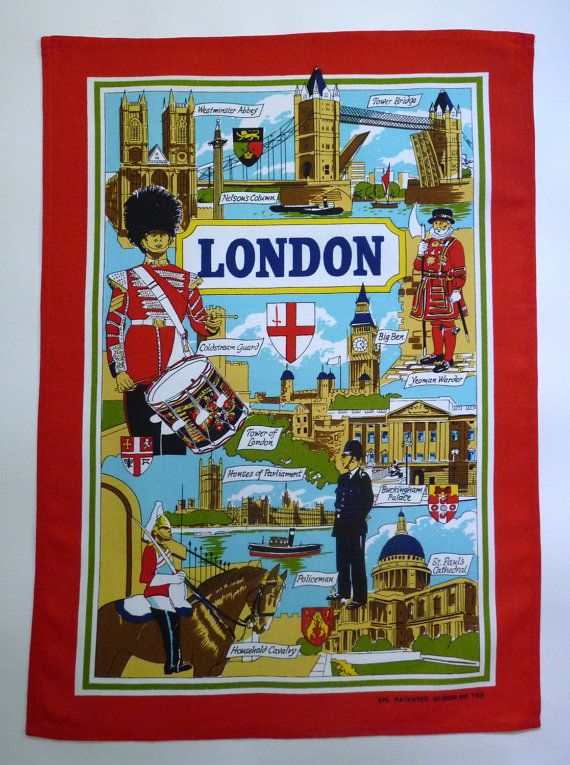
The conceptual thinking required to understand historical interpretations is challenging for many of students. It is a multi-facetted concept and we take an incremental approach to developing our students’ ability to understand and work with it. A tourist tea towel is an interpretation. We use one to get across the idea that an interpretation is a selection to present a particular perspective that is made … Continue reading Interpretations: ‘And then she waved a tea towel at us!’
 OBHD
OBHD 